
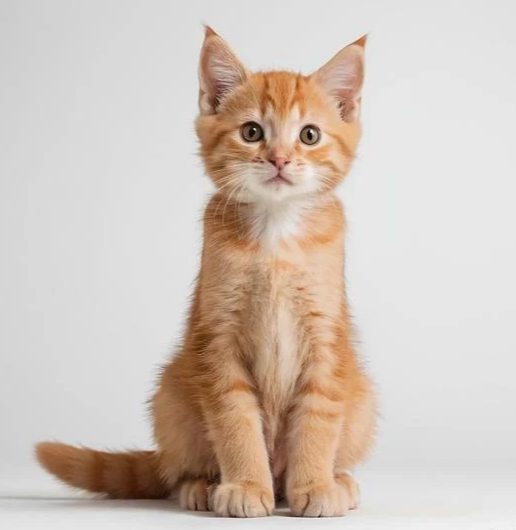
For many families, pets are much more than property—they are companions, emotional supports, and part of everyday life. It's no surprise that when couples divorce, deciding who keeps the family dog or cat can become one of the most emotional disputes in the process.
Many people assume courts will treat pets the same way they handle child custody. However, the law in New Jersey approaches the issue differently. Understanding how courts typically handle pets during divorce can help couples avoid unnecessary conflict and reach a fair solution.
Are Pets Considered Property in New Jersey Divorce?
In New Jersey, pets are generally treated as personal property in divorce proceedings. This means that legally speaking, they are handled in a similar way to other marital assets such as furniture, vehicles, or household items.
Because New Jersey follows the principle of equitable distribution, property acquired during the marriage is divided in a way the court considers fair. When a dispute arises over a pet, the court may look at the same factors it would consider when dividing other property.
That said, judges recognize that pets hold emotional value. While the law classifies them as property, courts may still consider practical realities—such as who primarily cared for the animal and which living situation would be best for it.
How Courts Decide Who Keeps the Pet
If spouses cannot agree on who should keep a pet, the issue may be addressed during the property division stage of the divorce.
Judges may consider several factors when determining which spouse will keep the animal. One important question is who was primarily responsible for the pet's care. This could include feeding, grooming, walking, training, and scheduling veterinary visits.
The court may also consider which spouse has a living situation that better accommodates the pet. For example, a dog may be better suited to a home with a yard rather than a small apartment.
Financial responsibility can also play a role. If one spouse regularly paid for veterinary care, food, and other pet-related expenses, that history may be considered when determining ownership.
Ultimately, the court's goal is to divide property fairly while acknowledging the realities of the couple's daily lives.
Can Couples Create Pet Custody Agreements?
In many cases, couples resolve pet disputes without asking a judge to make the decision.
Some divorcing spouses choose to create informal pet-sharing arrangements, similar to custody schedules. These agreements might allow both parties to spend time with the pet or share certain responsibilities, such as veterinary costs.
While courts do not treat pets like children under custody law, judges may enforce agreements that both parties voluntarily include in their divorce settlement.
For couples who both feel strongly about maintaining a relationship with a pet, these agreements can sometimes provide a practical compromise.
What If the Pet Was Owned Before the Marriage?
If one spouse owned the pet before the marriage, the situation may be more straightforward.
Assets that belonged to one spouse prior to the marriage are often considered separate property, meaning they typically remain with the original owner after divorce. If a pet clearly belonged to one spouse before the marriage began, the court may determine that the animal should remain with that individual.
However, disputes can still arise if the other spouse developed a strong bond with the pet or contributed significantly to its care over the years. In these situations, negotiations between attorneys often play a key role in resolving the issue without prolonged litigation.
Why Pet Disputes Can Become So Emotional
Unlike other property, pets often carry significant emotional meaning. They may have been present during major family events, helped children cope with stress, or provided companionship during difficult times.
Because of this emotional connection, disagreements over pets can quickly escalate during divorce proceedings. What might appear to be a small legal issue can become a major source of conflict if both spouses feel strongly about keeping the animal.
For that reason, many family law attorneys encourage clients to approach the issue thoughtfully and focus on practical solutions that reduce tension.
Resolving Pet Issues Outside of Court
Many divorce disputes—including disagreements about pets—are resolved through negotiation, mediation, or settlement discussions rather than a trial.
Working collaboratively allows couples to consider solutions that courts may not typically impose. For example, spouses may agree that the pet lives primarily with one person but spends occasional time with the other.
Reaching a mutually acceptable agreement can help reduce legal costs, shorten the divorce process, and minimize stress for everyone involved.
Moving Forward After Divorce
Dividing property during divorce can be complicated, and disputes over pets add an emotional layer to the process. While New Jersey law generally treats pets as property, courts and attorneys understand that animals often play a much larger role in family life.
If you are facing divorce and concerned about what may happen to a beloved pet, discussing the issue early with an experienced family law attorney can help you understand your options and work toward a fair resolution. Contact Villani & DeLuca, P.C. today at 732-709-7757 for your free first consultation.
Reviewed By: Vincent C. DeLuca — August 10, 2026

Comments
There are no comments for this post. Be the first and Add your Comment below.
Leave a Comment