
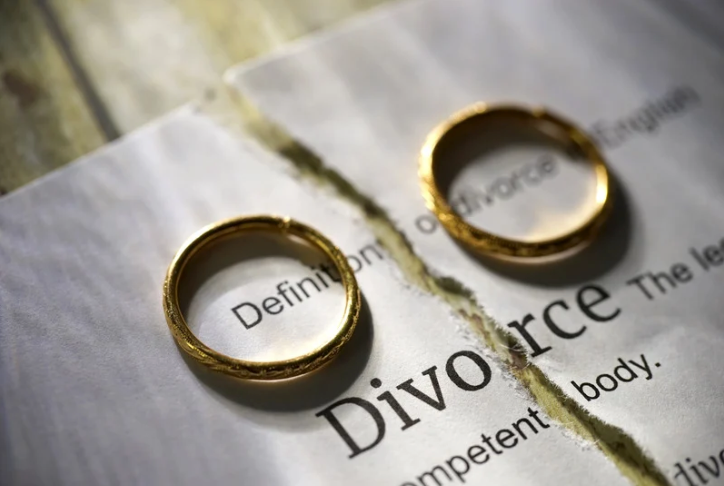
What Is a “Paper Divorce”?
A “paper divorce” happens when a couple legally ends their marriage—through a final judgment of divorce—but continues living under the same roof. In New Jersey, this arrangement can be intentional and strategic, often tied to financial, healthcare, or family considerations.
While it might sound contradictory, paper divorces aren't about rekindling romance. They're about meeting legal needs while preserving certain benefits of shared living. But before deciding it's right for you, it's critical to understand the potential risks under NJ law.
Why NJ Couples Choose a Paper Divorce
1. Medicaid or Long-Term Care Planning
In some cases, one spouse may need expensive medical or nursing home care. Medicaid has strict income and asset limits. By divorcing, couples may separate assets in a way that allows the ill spouse to qualify for Medicaid sooner—while the healthy spouse retains more resources.
⚖ Important: Medicaid eligibility rules in NJ are complex, and the Division of Medical Assistance and Health Services (DMAHS) scrutinizes transfers that look like they're done solely to qualify for benefits. A poorly planned paper divorce can be considered “Medicaid fraud.”
2. Protecting a Spouse From Debt
If one spouse faces significant personal or business debts, a paper divorce may help shield the other from collections or liability. This could involve separating property titles and bank accounts to legally distance the finances.
3. Tax or Estate Planning
Some couples discover that post-divorce, their tax liabilities drop, especially when filing separately. Others use paper divorce to structure inheritances or ensure certain assets pass to children from a previous marriage.
4. Housing Stability for Children
For parents who can't yet afford two separate homes, a paper divorce lets them legally end the marriage while continuing to raise kids in one household—sometimes using a “nesting” arrangement where children stay in the home and parents rotate in and out.
How a Paper Divorce Works in New Jersey
In NJ, divorce is finalized through the Superior Court, Family Division. The process is no different from a traditional divorce:
-
Filing a Complaint for Divorce – Usually under no-fault grounds like “irreconcilable differences.”
-
Property & Debt Division – The court divides marital assets under equitable distribution rules.
-
Alimony or Child Support Orders – Even if you live together, the court may require formal support arrangements.
-
Final Judgment of Divorce – You are legally single.
Once finalized, you are no longer spouses in the eyes of the law—even if you share the same address.
Legal Risks & Potential Downsides
1. Loss of Marital Benefits
Divorce may cut off spousal health insurance benefits, pension rights, and certain survivor benefits unless otherwise agreed.
2. Scrutiny from Courts & Agencies
If the divorce appears to be solely to gain financial aid or government benefits, agencies can investigate and even reverse approvals.
3. Impact on Future Legal Matters
Even if you reconcile emotionally, you'll need to remarry to regain spousal rights. Inheritance laws will also treat you as unrelated unless a will is updated.
Alternatives to a Paper Divorce
-
Legal Separation (Not Official in NJ) – NJ doesn't have a formal “legal separation,” but couples can live apart with a written separation agreement.
-
Postnuptial Agreement – Set financial terms without ending the marriage.
-
Mediation or Collaborative Planning – Create a structured cohabitation plan without the legal step of divorce.
Key Takeaways for NJ Residents
-
Paper divorce can serve legitimate financial and personal purposes—but must be planned with an experienced NJ family law attorney.
-
Medicaid and tax benefits are possible, but both have strict rules that can backfire if misunderstood.
-
Courts will still handle property, support, and custody as in any divorce—shared living doesn't change the legal process.
Contact Us Today
Our attorneys have guided clients through complex divorce arrangements, including situations where living together post-divorce was the best practical choice. We help ensure the process is legally sound and protects your long-term interests.
📞 Call us at 732-751-4991 for your free first consultation.
Reviewed By: Vincent C. DeLuca — August 10, 2026

Comments
There are no comments for this post. Be the first and Add your Comment below.
Leave a Comment