
Key Point:
• New Jersey premises liability law (N.J.S.A. 2A:15-5.1 et seq.) holds property owners, municipalities, and businesses responsible for maintaining safe conditions at boardwalks, beaches, pools, and restaurants.
• If you were hurt at the Jersey Shore due to someone else's negligence, you may be entitled to compensation for medical bills, lost wages, and pain and suffering.
• The statute of limitations is two years from the date of injury, but claims against public entities require a 90-day tort claim notice under N.J.S.A. 59:8-8.
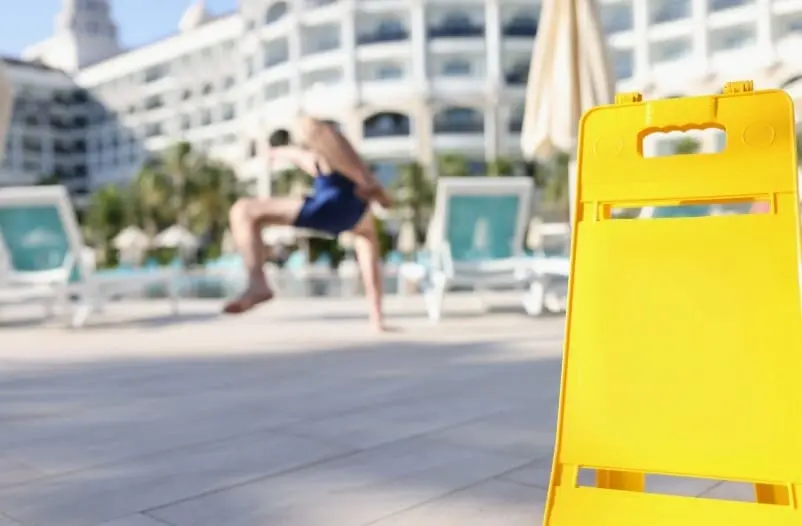
The Jersey Shore is one of the most popular summer destinations on the East Coast. From Asbury Park to Seaside Heights to Point Pleasant Beach, Ocean County and Monmouth County shoreline towns welcome tens of millions of visitors between Memorial Day and Labor Day. With that volume comes risk: cracked boardwalk planks, unguarded pools, overcrowded bars, rip currents at understaffed beaches, and negligent property owners cutting corners to maximize summer revenue.
As NJ personal injury attorneys with offices in Point Pleasant Beach, Red Bank, and Brick Township, we've seen how devastating a single summer accident can be. This guide breaks down the most common types of shore injuries, who's legally responsible, and what you need to do to protect your claim.
Boardwalk Accidents: Who Is Responsible?
Boardwalks are owned and maintained by municipalities, which means injury claims involve the New Jersey Tort Claims Act (N.J.S.A. 59:1-1 et seq.). This is critical because claims against public entities have a mandatory 90-day notice requirement under N.J.S.A. 59:8-8. Miss that deadline, and your claim may be permanently barred.
Common boardwalk injuries include:
-
Tripping on broken or uneven planks
-
Slip-and-fall on wet surfaces near food vendors
-
Falling through a deteriorated railing
-
Injuries from amusement rides (governed by the Carnival-Amusement Ride Safety Act, N.J.S.A. 5:3-31 et seq.)
-
Pedestrian collisions with bicycles or scooters on the boardwalk
To succeed on a boardwalk injury claim, you must establish that the municipality knew or should have known about the dangerous condition and failed to correct it within a reasonable time.
Beach Injuries: Lifeguard Negligence and Rip Currents
New Jersey municipalities that operate public beaches are required to maintain lifeguard services under the Public Recreational Bathing Code (N.J.A.C. 8:26). When a beach is understaffed, lifeguards are inadequately trained, or dangerous conditions (rip currents or submerged hazards) are not communicated to swimmers, the municipality may be liable.
Private beach clubs and hotels owe their guests a heightened duty of care. If a guest is injured because the property failed to maintain safe conditions (broken pool ladders, missing depth markers, unsecured pool fencing), the property owner is liable under standard premises liability law.
Hotel and Rental Property Accidents
The summer rental market along the Shore creates a unique category of injury claims. Property owners who rent homes, condos, and apartments to vacationers have a duty to maintain safe premises. Common issues include:
-
Defective stairs, decks, and railings (especially on older Shore properties)
-
Missing or broken smoke detectors and carbon monoxide detectors
-
Mold and environmental hazards in beach-area properties
-
Slip-and-fall on poorly maintained walkways or driveways
-
Pool accidents at rental properties (no fencing, no safety cover, broken equipment)
If you were injured at a rental property, the liable party could be the property owner, the property management company, or both.
Pool Accidents
Pool injuries are among the most serious we handle. New Jersey requires residential and commercial pools to meet specific safety standards, including fencing requirements, drain covers (Virginia Graeme Baker Act compliance), and proper chemical maintenance. Hotels, condo complexes, and public pools must also comply with the Public Recreational Bathing Code.
When a child or adult is injured in a pool because safety standards were not met, the property owner faces significant liability. Pool injury cases often involve traumatic brain injuries, spinal cord injuries, and drowning or near-drowning incidents.
Bar and Restaurant Injuries
The Shore's vibrant bar and restaurant scene generates its own category of injuries. Overcrowded venues, wet floors, broken furniture, inadequate lighting, and alcohol-fueled altercations all contribute. Under New Jersey's Dram Shop Act (N.J.S.A. 2A:22A-1 et seq.), bars and restaurants that serve alcohol to visibly intoxicated patrons can be held liable for injuries those patrons cause to others.
New Jersey's Modified Comparative Negligence Rule
New Jersey follows a modified comparative negligence standard under N.J.S.A. 2A:15-5.1. This means you can recover damages even if you were partially at fault for your injury, as long as your fault does not exceed 50%. However, your recovery will be reduced by your percentage of fault.
For example, if you were 20% at fault for a boardwalk injury (perhaps you were looking at your phone) and your total damages are $100,000, your recovery would be reduced to $80,000.
What to Do If You're Injured at the Shore
-
Seek medical attention immediately. Even if your injury seems minor, get it documented. Some injuries (concussions and soft tissue damage) may not manifest fully for days.
-
Report the incident. If you're on a boardwalk, beach, or commercial property, report the injury to the property manager, lifeguard, or business owner. Get a written incident report if possible.
-
Document everything. Photographs of the hazardous condition, your injuries, and the scene. Get contact information from any witnesses.
-
Don't give a recorded statement to the property owner's insurance company without speaking to an attorney first.
-
Contact a personal injury attorney quickly. The 90-day notice requirement for public entity claims is an absolute deadline. Do not assume you have time.
FAQ
How long do I have to file a personal injury claim in New Jersey?
The general statute of limitations is 2 years from the date of injury (N.J.S.A. 2A:14-2). However, claims against municipalities or public entities require a 90-day tort claim notice under N.J.S.A. 59:8-8.
Can I sue if I was partially at fault for my injury?
Yes, as long as your fault does not exceed 50%. Your recovery will be reduced by your percentage of fault under NJ's modified comparative negligence rule.
What if I were injured at a beach with no lifeguard on duty?
If the beach was supposed to have lifeguard coverage under the Public Recreational Bathing Code and did not, the municipality may be liable for negligence.
Can I sue a bar if a drunk patron injured me?
Potentially, under New Jersey's Dram Shop Act (N.J.S.A. 2A:22A-1). The bar can be held liable if it served alcohol to a visibly intoxicated person who then caused your injury.
Call to Action
If you were injured at the Jersey Shore this summer, time matters. The 90-day notice requirement for public entity claims can expire before you even finish your medical treatment. Call Villani & DeLuca, P.C. at (732) 709-7757 or fill out our free case evaluation form for a free consultation. Our Point Pleasant Beach office is right on the Shore, and we serve clients throughout Ocean County and Monmouth County.
Reviewed By: Carmine R. Villani — August 10, 2026
Disclaimer: This blog post is for informational purposes only and does not constitute legal advice. Every case is different. Past results do not guarantee future outcomes.

Comments
There are no comments for this post. Be the first and Add your Comment below.
Leave a Comment