
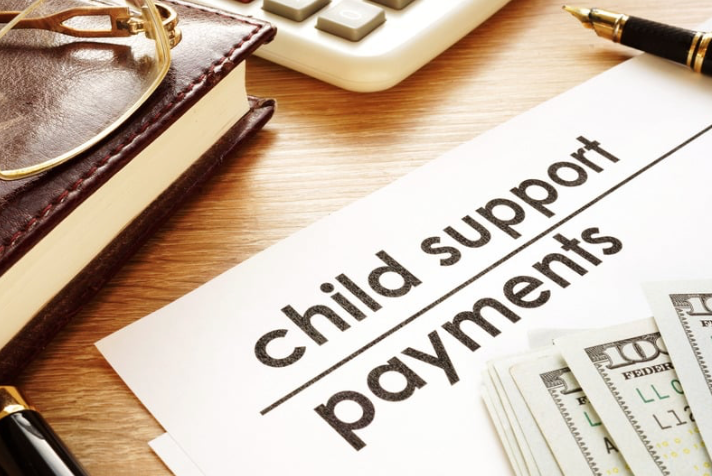
Child support is a child's right, not a bargaining chip between parents. Once a New Jersey court issues a child support order, both parents are legally bound to follow it. Unfortunately, some parents fall behind or stop paying altogether. When that happens, the parent expecting support has several enforcement tools available.
In most cases, the Probation Division monitors and collects support payments. If a parent misses payments, the system can act quickly. Wage garnishment is one of the most common tools because support can be deducted directly from paychecks before the paying parent ever sees the money. If wages are not enough, the state can intercept tax refunds, suspend driver's or professional licenses, report arrears to credit bureaus, and place liens on property and other assets.
Other child support payment methods including a party paying Probation (rather than through wage garnishment) or direct pay (through cash, Zelle, Venmo, CashApp, PayPal, etc.).
New Jersey law makes it clear that child support obligations cannot simply vanish. Under N.J.S.A. 2A:17‑56.23a, arrears become enforceable judgments by operation of law. That means unpaid support automatically accrues interest and remains enforceable until it is paid in full.
If payments stop, a parent can file an enforcement application with the court. The judge has discretion to order additional remedies, including probation monitoring, payment schedules, or contempt proceedings if noncompliance is willful. The judge also has discretion to add to child support arrears including counsel fees, unreimbursed expenses, and more. It can also dictate the amount and frequency of the arrearage payback amount. In extreme cases, repeated nonpayment can lead to incarceration, although courts usually treat that as a last resort and look first to solutions that will get money flowing to the child.
Parents cannot unilaterally decide to stop paying child support, even if they are unemployed or frustrated with the other parent. Being temporarily unemployed will not modify one's child support obligation. If circumstances truly change, the correct approach is to file a motion to modify support, not to ignore the order. For parents depending on that income, quick enforcement can ensure children continue receiving the support they need.
Reviewed By: Vincent C. DeLuca — August 10, 2026

Comments
There are no comments for this post. Be the first and Add your Comment below.
Leave a Comment